
Beschrijving
G-Traps – Effective Monitoring of Crawling Insects in Museums & Heritage
High-quality glue traps for safe, chemical-free pest monitoring in cultural collections
What are G-Traps?
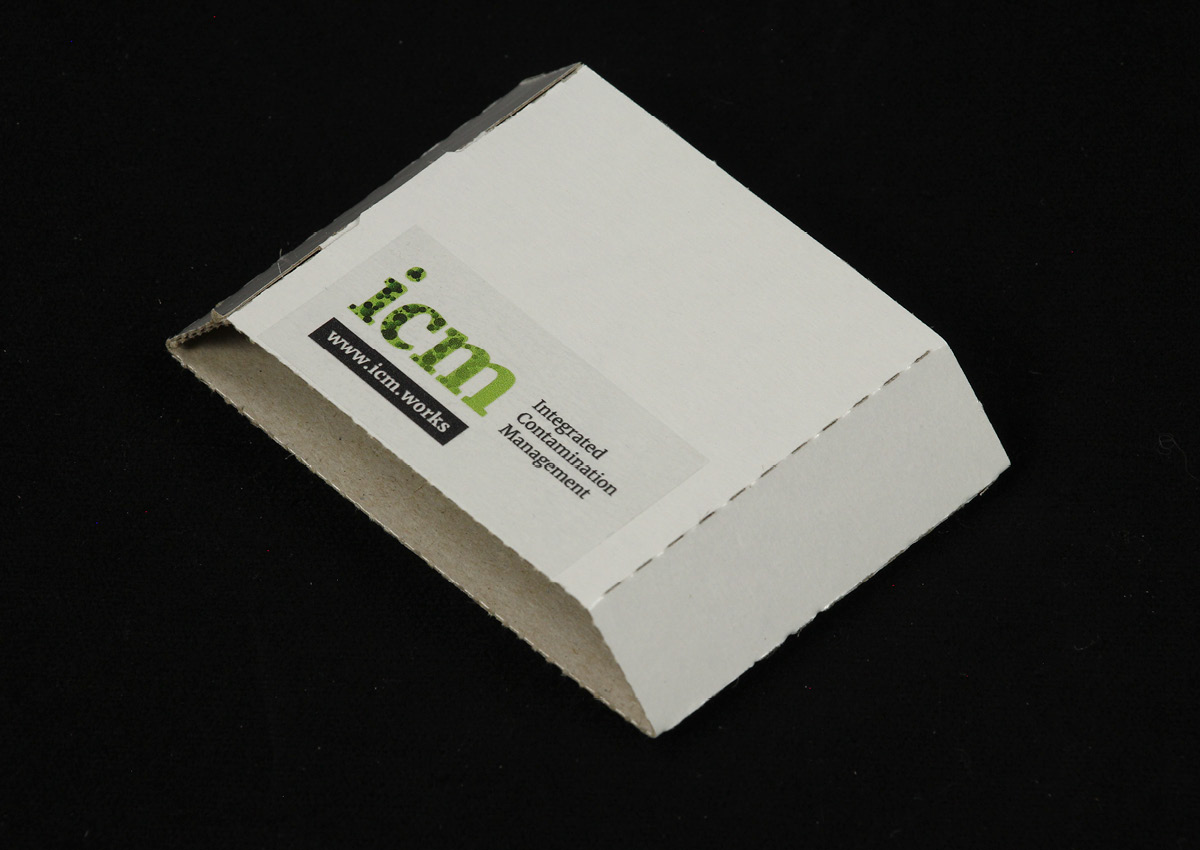
G-Traps are high-quality glue traps (also known as sticky traps or blunder traps) specifically designed for monitoring crawling insects in sensitive cultural environments such as museums, archives and heritage collections.
The G-traps work simply through their sticky surface on the inside on which all sorts of museum pests are trapped. Glue traps are valuable tools to reveal which insects are crawling along the floor. They should be positioned on the floor against the wall, preferably close to doors, but also under or in show cases. As a rule, place G-traps on the floor on both sides of all doorways.
It does not contain any selective attractants for specific species but catches the insects according to the random principle.
What are G-Traps used for?
G-Traps are an essential tool in Integrated Pest Management (IPM) for cultural heritage. They help you:
- Detect insect infestations at an early stage
- Identify exactly which species are present
- Monitor the effectiveness of your pest control measures
- Prevent damage to collections without using harmful chemicals
Suitable Environments
Placement Advice
Correct placement is crucial for maximum effectiveness:
- Place G-Traps on the floor against the wall
- Position them close to doors and doorways
- Place traps on both sides of every doorway (standard rule)
- Use them under or inside showcases and display cases
- Also place in corners, along baseboards and near potential entry points
- Check and replace traps every 4–8 weeks or when full
Tip: Always note the date and location on each trap for proper IPM documentation.
Difference with Other Traps
| Trap Type | How it works | Best for | Safe for museums? |
|---|---|---|---|
| G-Traps (Glue Traps) | Sticky surface – random catch | All crawling insects | Excellent – no chemicals |
| Pheromone Traps | Species-specific attractant | One specific insect (e.g. moths) | Good (as supplement) |
| UV / Light Traps | Light attraction | Flying insects only | Limited |
| Baited Poison Traps | Food + insecticide | Rodents or specific insects | Not recommended |
G-Traps stand out because they are completely passive, contain no attractants or chemicals, and are 100% safe for your valuable collections.
Protect Your Collection Today
Order your G-Traps now and start professional pest monitoring immediately.
30 traps per box • Non-toxic • Ready to use
Frequently Asked Questions
How often should I check the G-Traps?
Check every 4–6 weeks. Replace the trap when it is full or after a maximum of 2 months, even if it is not yet full.
Are G-Traps safe for museum objects?
Yes. They contain no chemicals, fragrances or attractants that could damage your collection. Always place them at a safe distance from objects.
Do G-Traps also catch flying insects?
No. G-Traps are designed exclusively for crawling insects. For flying insects we recommend additional UV or pheromone traps.
How many G-Traps do I need?
As a guideline: 1 trap per 10–15 m² + extra traps at every doorway. We are happy to advise you on the optimal number for your specific space.
What should I do when I catch insects?
Take a photo, note the date and location, and identify the species. This information helps determine the best follow-up actions. We can help with identification if needed.
Can G-Traps be used together with other control methods?
Absolutely. G-Traps form the monitoring foundation of any professional IPM programme and work perfectly in combination with prevention, climate control and targeted treatments when necessary.